1. Definition
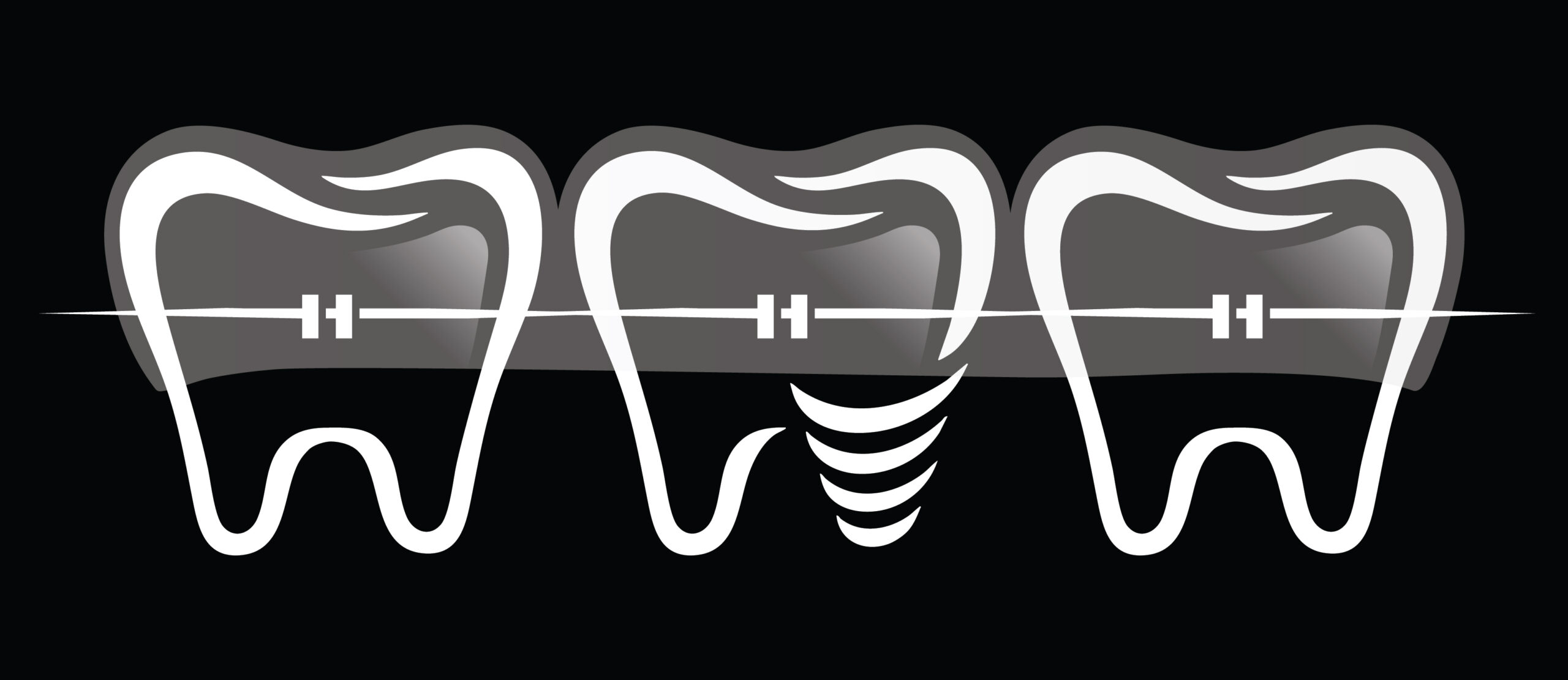
Smile designing is the process of improving the appearance of the smile through one or more cosmetic and restorative dental procedures, such as veneers, crowns, teeth whitening, and orthodontics.
2. Objectives of Smile Designing
Achieve a natural and aesthetic smile
Correct dental and facial asymmetries
Restore tooth shape, alignment, and colour
Improve lip support and facial profile
Boost patient confidence and self-esteem
3. Components of an Ideal Smile
| Component | Description |
|---|---|
| Smile Line | The curve of upper teeth that should mimic the curve of the lower lip |
| Midline | Should align with the facial midline |
| Tooth Proportions | Ideal width-to-length ratio (typically 75–80%) |
| Symmetry | Teeth and gum symmetry across the midline |
| Gingival Display | Ideal = 1–2 mm of gum show in a full smile |
| Buccal Corridor | The space between the teeth and cheek when smiling |
| Tooth Colour | Should match the patient’s complexion and age |
4. Diagnostic Tools
Photographs (intraoral and extraoral)
Intraoral scans or impressions
Digital Smile Design (DSD) software
Mock-ups (wax-ups or temporary restorations)
Facebow & articulator (in advanced cases)
Shade guides and tooth measurement tools
5. Procedures Involved in Smile Designing
| Procedure | Purpose |
|---|---|
| Teeth Whitening | Brighten discoloured teeth |
| Orthodontics / Aligners | Correct crooked or spaced teeth |
| Veneers/Laminates | Mask imperfections, reshape, or resize teeth |
| Gingival Contouring | Correct a “gummy smile” or uneven gum lines |
| Composite Bonding | Close gaps, repair chips, and reshape teeth |
| Crowns/Bridges | Restore damaged teeth and improve alignment |
| Implants / Dentures | Replace missing teeth |
| Lip Repositioning or Fillers | Improve smile frame and soft tissue aesthetics |
6. Step-by-Step Process
1. Consultation & Evaluation
Medical/dental history
Clinical exam and patient expectations
2. Photographic Analysis
Full-face and close-up smile photos
3. Digital Smile Design (DSD)
Software simulates the new smile digitally
4. Mock-up Try-In
Temporary version of the final result for preview
5. Treatment Plan Execution
Final treatments are performed based on plan
6. Final Review & Adjustments
Small refinements as needed
7. Benefits
Personalized smile makeover
Improved aesthetics and self-confidence
Functional restoration along with cosmetics
Minimally invasive options available
Long-lasting results
8. Limitations & Considerations
Cost can be high depending on procedures
Requires patient compliance and maintenance
Not suitable for patients with poor oral hygiene or active gum disease
Results depend on dentist skill and technology used
9. Maintenance
Regular dental check-ups
Use of night guard (especially with veneers)
Avoid staining foods and drinks (e.g., tea, coffee, red wine)
Maintain excellent oral hygiene
10. Commonly Combined Procedures
| Aesthetic Problem | Smile Design Solution |
|---|---|
| Yellow/discoloured teeth | Teeth whitening or veneers |
| Gummy smile | Gingivectomy or crown lengthening |
| Gaps between teeth | Bonding or veneers |
| Uneven teeth | Recontouring, veneers, or orthodontics |
| Missing teeth | Implants, bridges, or dentures |
Conclusion
Smile Designing is more than just a cosmetic fix—it’s a customized transformation of the patient’s smile and confidence. With advancements like Digital Smile Design (DSD), the process has become more predictable, efficient, and satisfying for both the dentist and patient.
