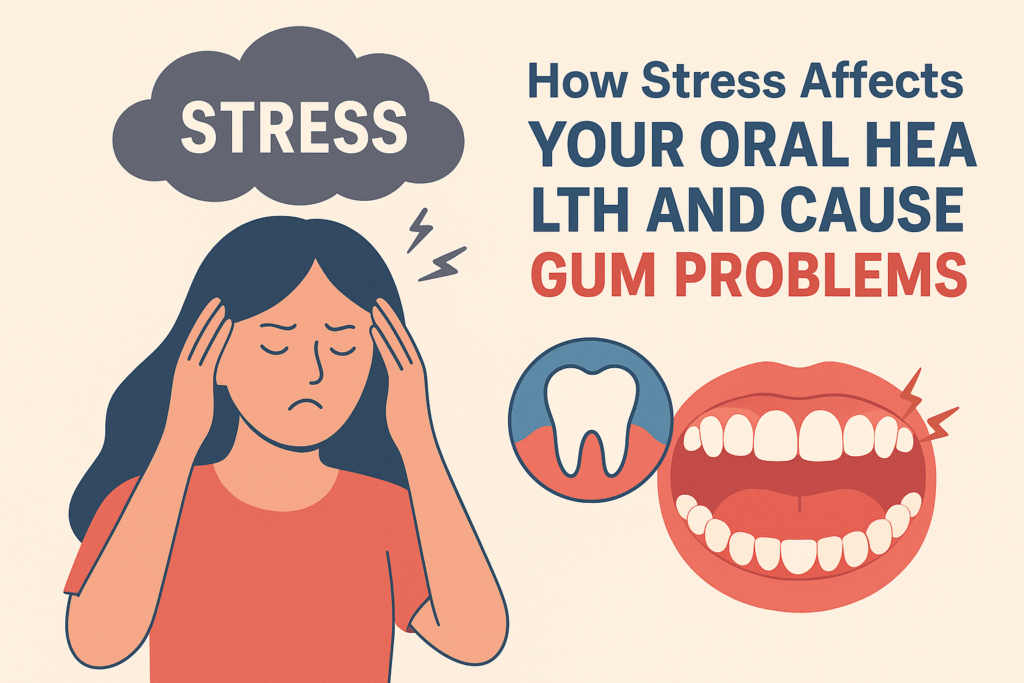
In today’s fast-paced world, stress has become a part of daily life for many people. While most of us know that stress affects our mental well-being, sleep, and immunity, very few realize that it also has a significant impact on oral health. According to experts like Dr. Amruta Motarwar, the Best Orthodontist in Mahalunge and a leading dental specialist, unmanaged stress can increase the risk of gum problems, tooth sensitivity, oral infections, and even orthodontic complications.
Understanding how stress affects the mouth can help you take preventive steps before minor symptoms turn into severe dental issues. Here’s a detailed look at the connection between stress and oral health—and what you can do to protect your smile.
1. Stress Weakens Your Immune System
High stress levels reduce the body’s ability to fight bacteria, including the harmful germs that accumulate on teeth and gums. When the immune system is weakened:
- Gum tissues become more vulnerable to infections
- Healing slows down
- Existing gum inflammation may worsen
This makes you more prone to gingivitis, periodontitis, and other gum diseases. If you often fall sick or feel tired and stressed, it’s important to get your oral health checked by the Best dentist in Mahalunge, Dr. Amruta Motarwar, who can help identify early signs of gum problems.
2. Stress Causes Dry Mouth (Xerostomia)
Stress hormones can reduce saliva production. Saliva plays a crucial role in maintaining oral health by:
- Washing away food particles
- Neutralizing acids
- Controlling bacterial growth
When your mouth becomes dry, harmful bacteria multiply quickly, leading to cavities, bad breath, gum irritation, and plaque buildup. People who take stress-related medications—like anti-anxiety or antidepressants—may experience dry mouth more frequently.
Staying hydrated and practising good oral hygiene can help, but a dental consultation is recommended for long-term relief.
3. Stress Increases Teeth Grinding and Jaw Clenching
Many people grind their teeth or clench their jaws when they are stressed, a condition called bruxism. This can occur during the day or while sleeping and may cause:
- Worn-out teeth
- Tooth cracks
- Jaw pain
- Headaches
- Gum recession
- TMJ (jaw joint) problems
Grinding puts excessive pressure on the gums and supporting bone, which can lead to gum damage and tooth mobility. If you wake up with jaw stiffness or headaches, visit the Best orthodontist in Mahalunge, Dr. Amruta Motarwar, to check for signs of bruxism and get a customized night guard if needed.
4. Poor Oral Hygiene Habits During Stress
When people are overwhelmed with stress, oral care routines often take a back seat. Skipping brushing, rushing through flossing, or prolonging dental visits can accelerate gum issues.
Stress can also lead to unhealthy lifestyle habits like:
- Eating sugary snacks
- Drinking excessive tea or coffee
- Smoking or alcohol consumption
- Late-night binge eating
All of these significantly increase the risk of cavities, tartar buildup, and gum inflammation.
Maintaining a consistent oral care routine—even during stressful times—helps protect your teeth and gums.
5. Stress Can Lead to Canker Sores and Oral Infections
Stress affects the body’s ability to regulate inflammation and triggers hormonal changes that may cause canker sores (mouth ulcers). Though harmless, these sores are painful and make eating or speaking difficult.
Additionally, high stress levels make you prone to fungal infections like oral thrush, especially if your immunity is low.
If you frequently suffer from mouth ulcers, consult Dr. Amruta Motarwar, the Best dentist in Mahalunge, to understand the underlying cause and get proper treatment.
6. Stress-Related Gum Problems You Should Watch For
Here are some common gum issues linked to stress:
- Swollen or bleeding gums
- Receding gums
- Pain while chewing
- Bad breath
- Loose teeth
- Persistent gum inflammation
Ignoring these symptoms can lead to advanced gum disease, eventually affecting the bone that supports your teeth.
7. How to Protect Your Oral Health During Stress
Managing stress is just as important as brushing and flossing. Here are helpful tips to keep your mouth healthy:
✔ Practice Stress-Relief Techniques
Yoga, meditation, deep breathing, and regular exercise can reduce stress and improve overall well-being.
✔ Maintain Good Oral Hygiene
Brush twice daily, floss once a day, and use an antibacterial mouthwash.
✔ Stay Hydrated
Drink plenty of water to prevent dry mouth and support saliva flow.
✔ Limit Sugar and Acidic Foods
Choose healthier snacks and avoid frequent consumption of caffeinated or sugary beverages.
✔ Avoid Tobacco and Alcohol
These habits make gum disease more aggressive and difficult to treat.
✔ Get Regular Dental Checkups
Routine visits allow early detection of gum problems, especially if you’re stressed. With gentle care and advanced techniques, Dr. Amruta Motarwar – the Best orthodontist in Mahalunge – ensures comfortable and effective treatment for patients of all ages.
8. When to Visit a Dentist
You should schedule a dental appointment if you notice:
- Gum bleeding
- Tooth sensitivity
- Jaw pain or grinding
- Persistent bad breath
- Mouth ulcers that don’t heal
Early diagnosis prevents complications and protects your long-term oral health.
Conclusion
Stress may be unavoidable, but its impact on your oral health can definitely be controlled. By understanding how stress affects your gums, teeth, and jaw, you can take preventive steps and maintain a healthy smile. If you’re experiencing stress-related dental symptoms, consult Dr. Amruta Motarwar, the Best dentist in Mahalunge and trusted orthodontic specialist, for personalized care and expert treatment.
A stress-free mind and a healthy mouth go hand in hand—take care of both for a confident, beautiful smile!
 Select an element to maximize. Press ESC to cancel.