Many people believe that dental problems are limited to cavities or occasional tooth pain. However, gum disease is one of the most common yet overlooked oral health problems. What often begins as mild gum irritation can slowly develop into a serious condition that affects not only your teeth but also your overall health. Understanding gum disease and its risks is essential for maintaining a healthy smile and preventing long-term complications.
According to dental experts, early diagnosis and proper oral care can prevent most gum problems. Consulting the Best dentist in Mahalunge at the right time can make a significant difference in protecting your gums and teeth.
What is Gum Disease?
Gum disease, also known as periodontal disease, is an infection of the tissues that support and surround the teeth. It is mainly caused by plaque—a sticky film of bacteria that forms on teeth due to poor oral hygiene. When plaque is not removed through proper brushing and flossing, it hardens into tartar and starts damaging the gums.
Gum disease generally develops in two stages:
- Gingivitis
This is the early stage of gum disease. It causes redness, swelling, and bleeding gums, especially while brushing or flossing. Gingivitis is reversible if treated early. - Periodontitis
If gingivitis is ignored, it can progress to periodontitis. At this stage, the infection spreads deeper into the gums and bone, causing damage to the structures that hold teeth in place. This can eventually lead to tooth loosening or tooth loss.
Regular dental checkups with the Best orthodontist in Mahalunge or a dental specialist can help detect these issues early and prevent serious damage.
Common Signs of Gum Disease
Many people ignore early symptoms of gum disease because they appear mild or painless. However, paying attention to the following warning signs is important:
- Bleeding gums while brushing or flossing
- Swollen, red, or tender gums
- Persistent bad breath
- Receding gums (teeth appearing longer)
- Loose teeth or shifting teeth
- Pain while chewing
If you notice any of these symptoms, it is important to visit the Best dentist in Mahalunge for a proper dental examination and treatment.
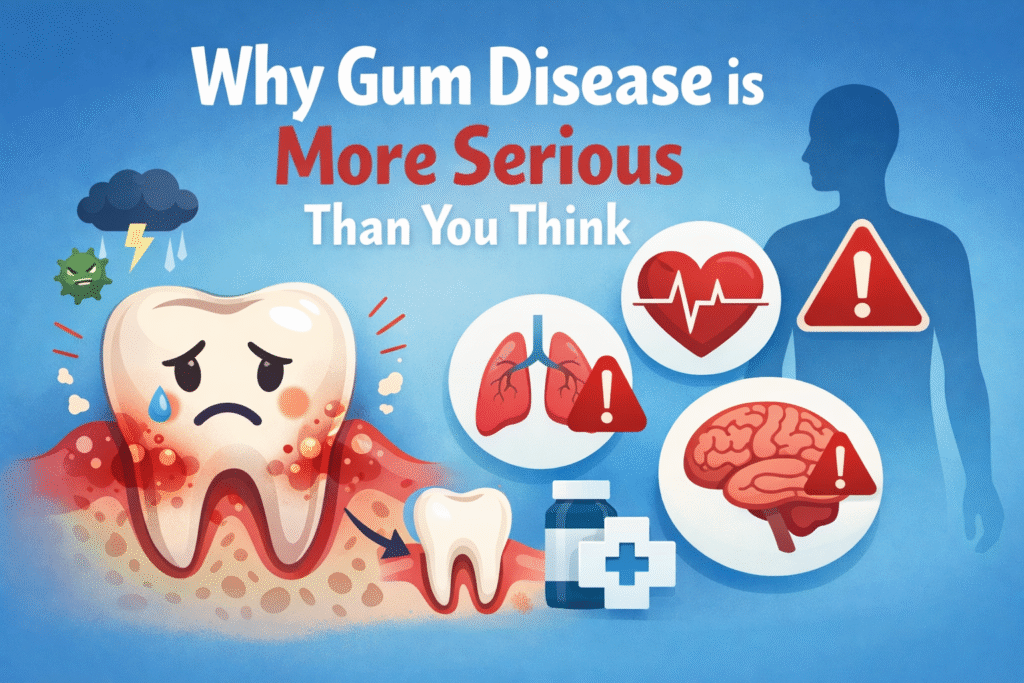
Why Gum Disease is More Dangerous Than You Think
Gum disease is not just a dental issue—it can affect your overall health in many ways.
- Tooth Loss
One of the most serious consequences of untreated gum disease is tooth loss. When the infection damages the bone and tissues supporting the teeth, they become loose and may eventually fall out or require extraction.
- Bone Damage
Advanced gum disease can lead to the destruction of the jawbone. This not only affects your smile but can also make dental treatments such as implants more complicated in the future.
- Increased Risk of Heart Disease
Research has shown a connection between gum disease and heart health. The bacteria from infected gums can enter the bloodstream and contribute to inflammation in the body, increasing the risk of cardiovascular problems.
- Complications for Diabetic Patients
People with diabetes are more prone to gum infections. At the same time, severe gum disease can make it harder to control blood sugar levels, creating a cycle that worsens both conditions.
- Impact on Overall Well-Being
Gum disease can affect your confidence and quality of life. Bad breath, gum pain, and missing teeth can make eating, speaking, and smiling uncomfortable.
What Causes Gum Disease?
Several factors can increase the risk of developing gum disease, including:
- Poor oral hygiene
- Smoking or tobacco use
- Hormonal changes (pregnancy or menopause)
- Diabetes
- Stress
- Genetic factors
- Poor nutrition
Maintaining regular dental visits with the Best orthodontist in Mahalunge helps identify these risk factors early and manage them effectively.
How to Prevent Gum Disease
The good news is that gum disease is largely preventable with proper oral care and lifestyle habits. Here are some important tips:
Brush twice daily: Use a soft-bristled toothbrush and fluoride toothpaste to remove plaque effectively.
Floss regularly: Flossing helps clean areas between the teeth where a toothbrush cannot reach.
Use mouthwash: Antibacterial mouthwash can help reduce plaque and bacteria.
Eat a healthy diet: Foods rich in vitamins and minerals support gum health.
Visit your dentist regularly: Professional dental cleaning and checkups help remove tartar and detect problems early.
Consulting the Best dentist in Mahalunge for routine dental care ensures that your gums remain healthy and strong.
When Should You See a Dentist?
You should visit a dentist immediately if you experience persistent bleeding gums, gum swelling, or loose teeth. Early treatment can stop the progression of gum disease and prevent permanent damage.
Professional treatments may include deep cleaning procedures such as scaling and root planing, medications, or advanced periodontal treatments depending on the severity of the condition.
Final Thoughts
Gum disease may start quietly, but its impact can be serious if left untreated. Healthy gums are the foundation of a healthy smile and overall well-being. By maintaining good oral hygiene and visiting the Best orthodontist in Mahalunge for regular checkups, you can prevent gum disease and protect your smile for years to come.
Dr. Amruta Motarwar, known as the Best dentist in Mahalunge, provides expert diagnosis and advanced treatment to help patients maintain healthy gums and a confident smile.
 Select an element to maximize. Press ESC to cancel.