A healthy smile is more than just an attractive appearance. It reflects good oral hygiene, healthy gums and proper dental care. Your teeth play an important role in everyday activities such as eating, speaking and smiling confidently. However, many people overlook dental health until they experience pain, sensitivity or other discomfort.
Regular dental check-ups, effective brushing techniques and timely treatment can help maintain oral health and prevent many common dental problems.
If you are searching for the Best dentist in Mahalunge, understanding the importance of preventive dental care and choosing a qualified dental professional can help you make informed decisions about your oral health.
At Dr. Amruta Motarwar | Orthodontic Treatments in Mahalunge | MD Care, patients can seek professional guidance regarding dental alignment, orthodontic concerns and smile improvement based on their individual needs.
Why Is Regular Dental Care Important?
Dental problems often develop gradually. Cavities, gum inflammation and plaque accumulation may not cause noticeable discomfort in their early stages. Without appropriate care, these conditions can progress and affect overall oral health.
Regular dental visits help identify potential concerns before they become more complicated.
Some important benefits of routine dental care include:
-
Early identification of tooth decay and gum problems.
-
Professional assessment of teeth and oral hygiene.
-
Guidance on effective brushing and flossing techniques.
-
Evaluation of tooth alignment and bite-related concerns.
-
Preventive recommendations tailored to individual dental needs.
Routine dental examinations are generally recommended at intervals appropriate to each patient’s oral health and risk factors.
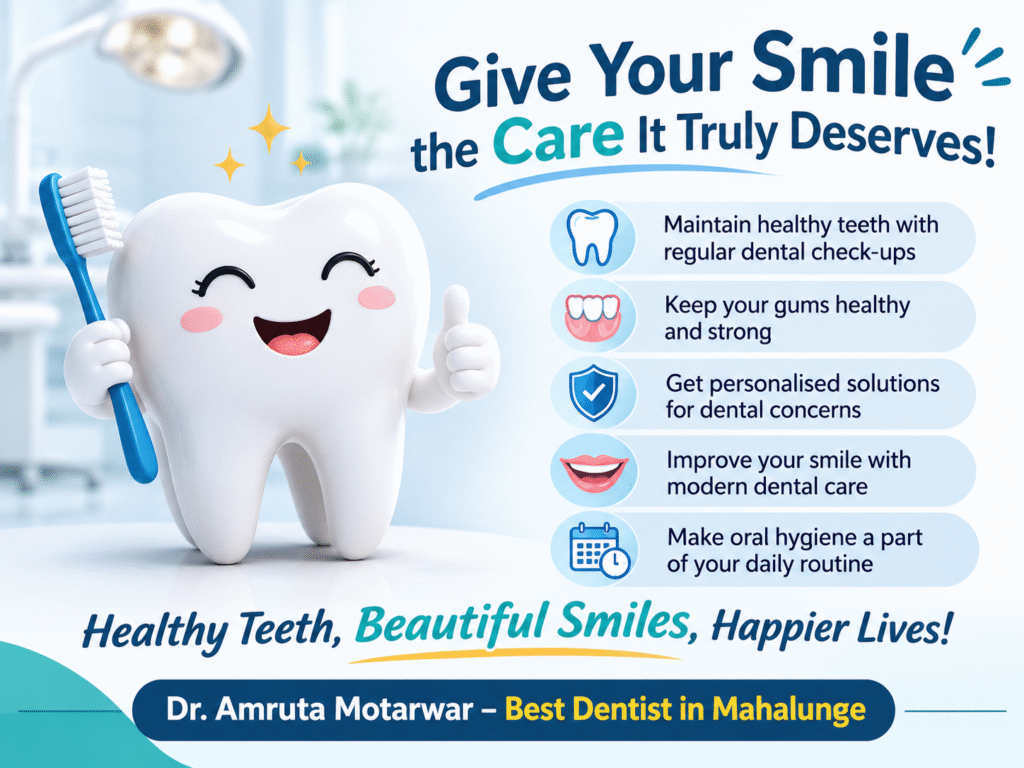
1. Maintain Healthy Teeth With Regular Dental Check-Ups
Visiting a dental professional should not be limited to situations involving toothaches or visible dental problems.
During a routine dental examination, the dentist may assess the condition of the teeth, gums, bite and surrounding oral structures.
Regular examinations may help identify:
-
Tooth decay and cavities.
-
Plaque and tartar accumulation.
-
Early signs of gum disease.
-
Tooth wear and enamel damage.
-
Misaligned teeth or bite irregularities.
Early diagnosis allows dental professionals to recommend suitable treatment options before certain problems become more severe.
Regular dental check-ups are an essential part of maintaining long-term oral health.
2. Keep Your Gums Healthy and Strong
Healthy gums provide support to the teeth and contribute to a stable oral environment.
Gum problems can develop when plaque accumulates along the gumline. If not removed through proper oral hygiene, plaque can contribute to inflammation and gum disease.
Common signs of unhealthy gums
-
Redness or swelling around the gums.
-
Tenderness while brushing.
-
Bleeding during brushing or flossing.
-
Persistent bad breath.
-
Receding gums.
Maintaining healthy gums involves brushing twice daily with fluoride toothpaste, cleaning between teeth regularly and attending professional dental examinations when recommended.
If gum symptoms persist, a dental evaluation can help identify their cause and determine whether treatment is required.
3. Get Personalised Solutions for Dental Concerns
Every patient has different dental needs. Factors such as age, tooth alignment, oral hygiene habits and existing dental conditions influence the type of care required.
Personalised dental treatment begins with understanding the patient’s concerns and examining their oral health.
Some common dental concerns include:
Crooked or crowded teeth: Misaligned teeth may make certain areas difficult to clean and can affect smile appearance.
Gaps between teeth: Spacing concerns may require orthodontic evaluation depending on their cause and severity.
Bite problems: Overbite, underbite and crossbite can affect how the upper and lower teeth come together.
Tooth sensitivity: Sensitivity to hot or cold foods may be associated with enamel wear, gum recession or other dental conditions.
Discoloured teeth: Tooth staining may develop due to dietary habits, tobacco use, ageing or other factors.
A qualified dental professional can assess these concerns and recommend appropriate care rather than relying on a one-size-fits-all approach.
4. Improve Your Smile With Modern Orthodontic Care
A confident smile can positively influence everyday social interactions. However, smile improvement is not limited to cosmetic appearance.
Proper tooth alignment may also make oral hygiene easier and help address certain bite-related concerns.
Modern orthodontic treatments are designed to correct selected alignment and bite problems through carefully planned tooth movement.
Common orthodontic treatment options
Traditional braces: Braces use brackets and wires to gradually move teeth into more suitable positions.
Ceramic braces: These function similarly to conventional braces but use tooth-coloured or less noticeable brackets.
Clear aligners: Removable, transparent aligners may be suitable for certain alignment problems after professional assessment.
Retainers: Retainers help maintain tooth positions following orthodontic treatment.
Treatment suitability depends on clinical findings, individual requirements and the complexity of the alignment concern.
Consulting Dr. Amruta Motarwar in Mahalunge can help patients understand their orthodontic concerns and discuss available treatment approaches.
5. Make Oral Hygiene a Part of Your Daily Routine
Consistent oral hygiene practices are among the most effective ways to support healthy teeth and gums.
Simple daily habits can reduce plaque accumulation and help prevent common dental problems.
Essential daily oral care practices
-
Brush twice daily: Use fluoride toothpaste and a soft-bristled toothbrush for approximately two minutes each time.
-
Clean between your teeth: Floss or use an appropriate interdental cleaning aid to remove plaque from areas a toothbrush cannot reach.
-
Limit frequent sugary snacks: Frequent sugar exposure can increase the risk of tooth decay.
-
Drink sufficient water: Water helps rinse away food particles and supports saliva production.
-
Replace worn toothbrushes: Change your toothbrush or brush head approximately every three to four months, or sooner if the bristles become frayed.
-
Avoid tobacco products: Tobacco increases the risk of gum disease and other serious oral health conditions.
Maintaining these habits consistently helps protect oral health between professional dental visits.
When Should You Consult a Dentist?
Although preventive dental care is important, certain symptoms indicate that a professional dental examination should not be delayed.
Consider scheduling an appointment if you experience:
-
Persistent toothache or sensitivity.
-
Swollen or frequently bleeding gums.
-
Difficulty chewing or biting.
-
Loose or damaged teeth.
-
Persistent bad breath despite good oral hygiene.
-
Noticeable changes in tooth alignment.
-
Jaw discomfort or bite-related problems.
Severe facial swelling, particularly with fever or difficulty swallowing or breathing, requires urgent medical attention.
Early professional assessment can help determine the cause of symptoms and identify appropriate next steps.
Choosing the Right Dental Professional in Mahalunge
Selecting a dental professional involves more than finding a clinic close to home.
Patients should consider the dentist’s qualifications, clinical experience, treatment approach and ability to explain available options.
A good dental consultation should help patients understand their oral health concerns, the possible benefits and limitations of treatment, expected maintenance requirements and any relevant alternatives.
For patients experiencing tooth alignment or bite-related problems, seeking guidance from a qualified orthodontist can be particularly valuable.
At MD Care in Mahalunge, Dr. Amruta Motarwar focuses on orthodontic care, helping patients explore suitable approaches to improving dental alignment and supporting long-term oral health.
Frequently Asked Questions
How often should I visit a dentist?
The appropriate frequency depends on your oral health, risk of dental disease and the dentist’s recommendations. Some patients may require more frequent examinations than others.
Can misaligned teeth affect oral health?
Yes. Certain alignment problems can make cleaning more difficult and may contribute to plaque accumulation. Some bite irregularities can also affect chewing or tooth wear.
Are clear aligners suitable for everyone?
No. Clear aligners are suitable for selected orthodontic concerns. A professional assessment is necessary to determine whether aligners or another treatment approach would be appropriate.
Can regular brushing prevent every dental problem?
Brushing significantly reduces the risk of many dental problems, but it cannot prevent every condition. Interdental cleaning, balanced nutrition and professional assessments also play important roles.
Is orthodontic treatment only for teenagers?
No. Orthodontic treatment may be appropriate for children, teenagers and adults. Eligibility depends on dental health, treatment goals and clinical assessment.
Conclusion
Healthy teeth and gums require a combination of consistent oral hygiene, preventive dental examinations and timely professional care.
From maintaining strong gums to addressing tooth alignment concerns, small preventive steps can contribute to better oral health over time.
Understanding your dental needs and choosing suitable professional guidance can help you make informed decisions about maintaining your smile.
Healthy Teeth, Beautiful Smiles, Happier Lives!
For orthodontic concerns, dental alignment assessments and personalised treatment guidance, consult Dr. Amruta Motarwar | Orthodontic Treatments in Mahalunge | MD Care.